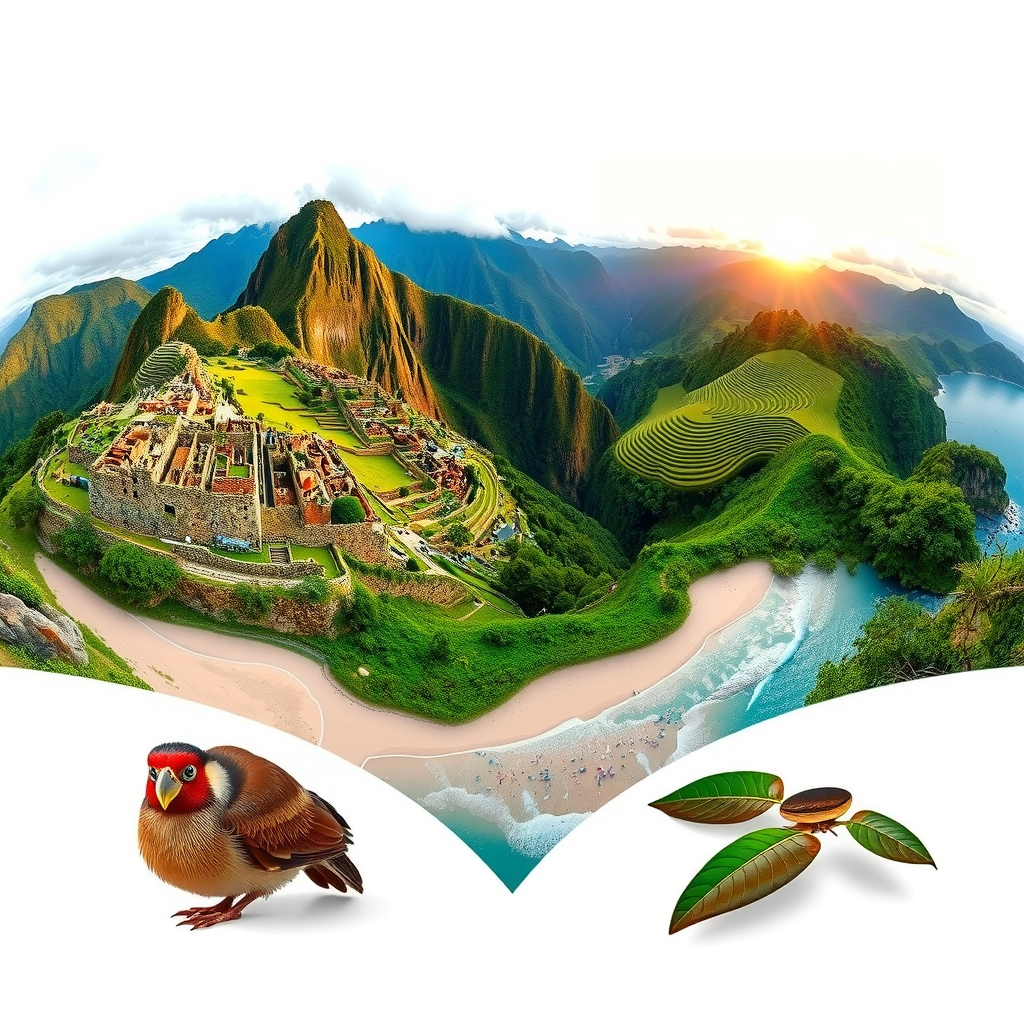
Planning a trip to South America requires careful timing to make the most of your adventure. From the ancient ruins of Machu Picchu to the pristine wilderness of Patagonia, each destination has its own optimal visiting season. This comprehensive guide will help you choose the perfect time to explore South America's most iconic locations.
Quick Planning Tip
South America spans both hemispheres, meaning seasons vary dramatically across the continent. When it's summer in Argentina, it's winter in Colombia. Always check specific regional weather patterns when planning your itinerary.
Machu Picchu, Peru
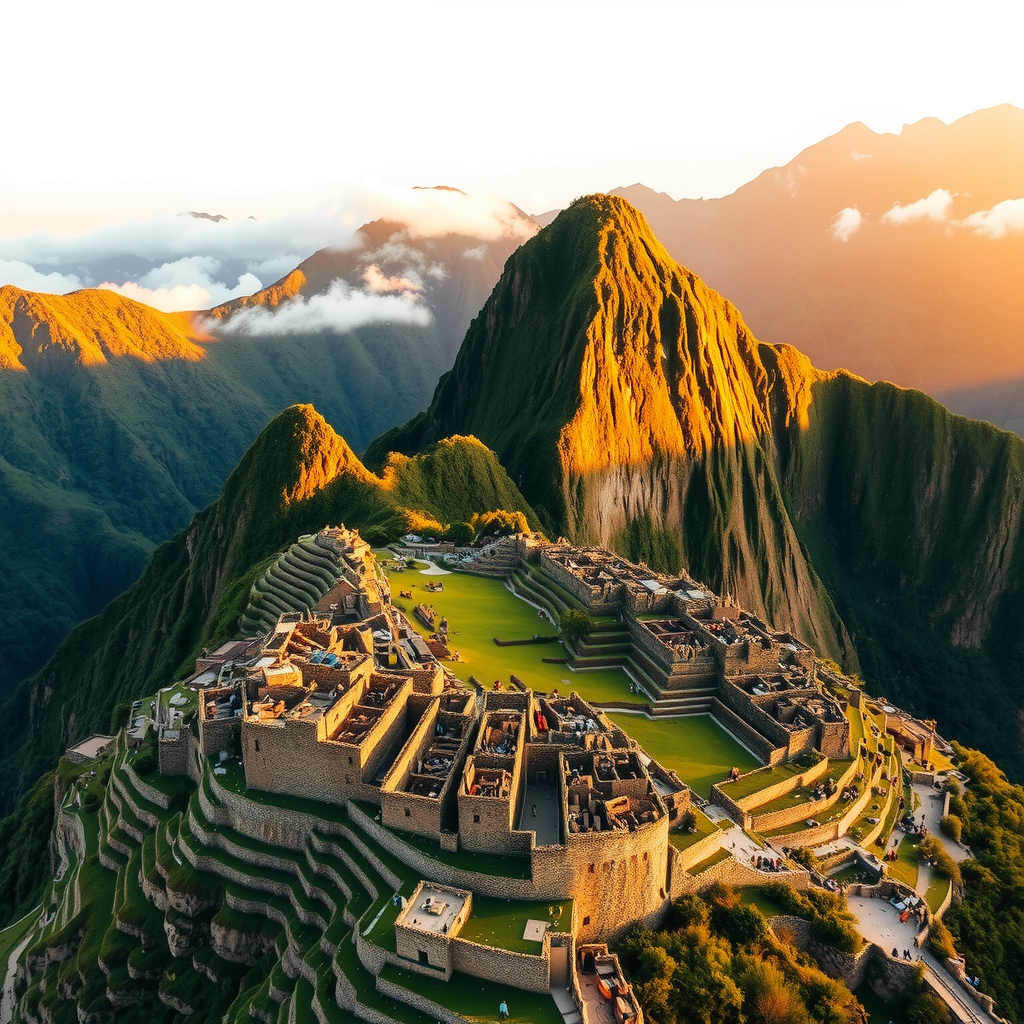
Best Time: April to October (Dry Season)
The dry season offers the most reliable weather for exploring this ancient Incan citadel. Clear skies provide stunning photo opportunities and comfortable hiking conditions along the Inca Trail. Peak season runs from June to August, when crowds are at their highest but weather conditions are most predictable.
Peak Season (June-August)
- Minimal rainfall and clear skies
- Daytime temperatures: 19-21°C (66-70°F)
- Book permits 3-4 months in advance
- Expect larger crowds at popular sites
Shoulder Season (April-May, Sept-Oct)
- Fewer tourists, easier bookings
- Pleasant weather with occasional rain
- Green landscapes from recent rains
- Better value on accommodations
Avoid visiting during February when the Inca Trail closes for maintenance. The wet season (November to March) brings heavy rainfall that can obscure views and make trails muddy and challenging.
Patagonia, Argentina & Chile
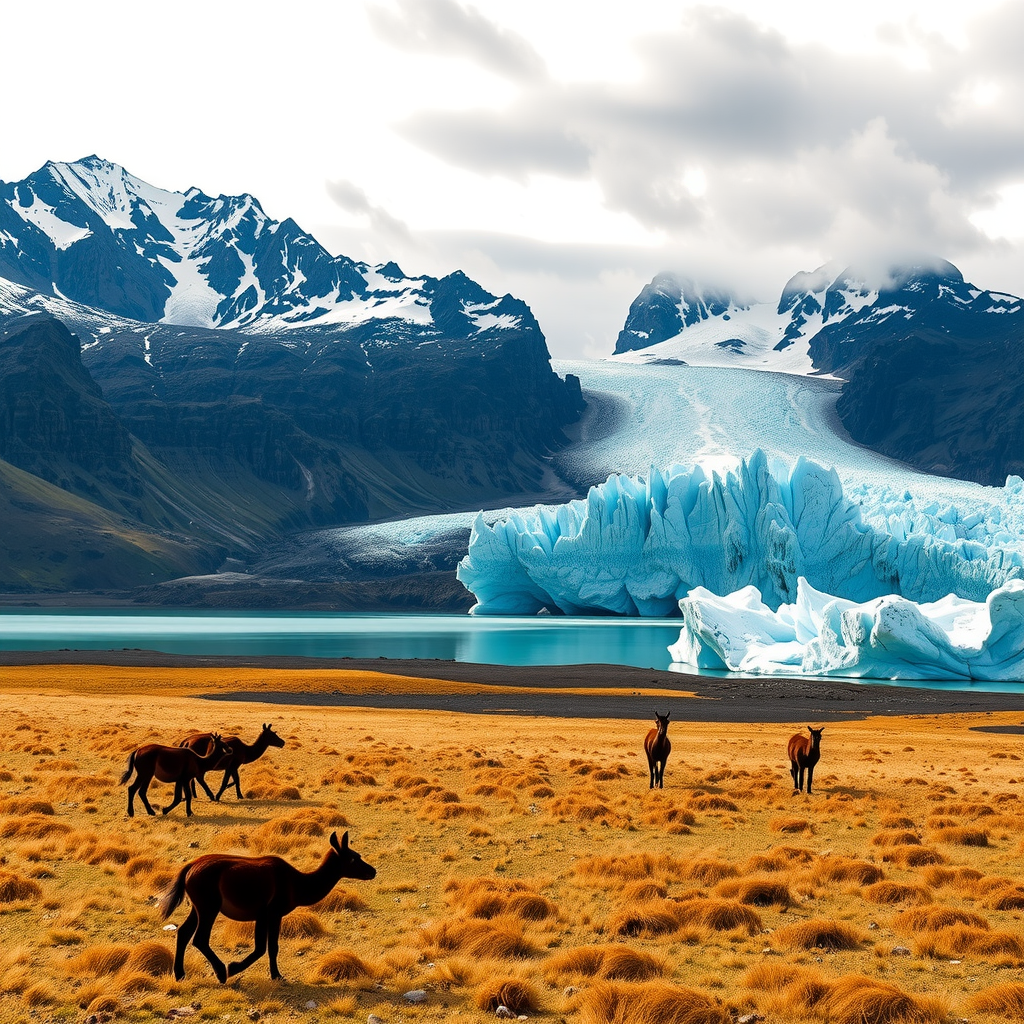
Best Time: November to March (Summer)
Patagonia's summer months offer the longest days and most accessible conditions for exploring this remote wilderness. With up to 17 hours of daylight in December, you'll have ample time for trekking, wildlife watching, and glacier viewing. Temperatures are mild, ranging from 10-20°C (50-68°F), though strong winds are common year-round.
Seasonal Highlights
November-December:
Spring wildflowers bloom, baby wildlife appears, fewer crowds, unpredictable weather
January-February:
Peak season with warmest temperatures, all trails open, highest prices, advance booking essential
March:
Autumn colors emerge, fewer tourists, cooler temperatures, excellent photography conditions
April-October:
Winter season, many facilities closed, extreme cold, limited accessibility, budget travelers only
Amazon Rainforest, Brazil, Peru & Ecuador
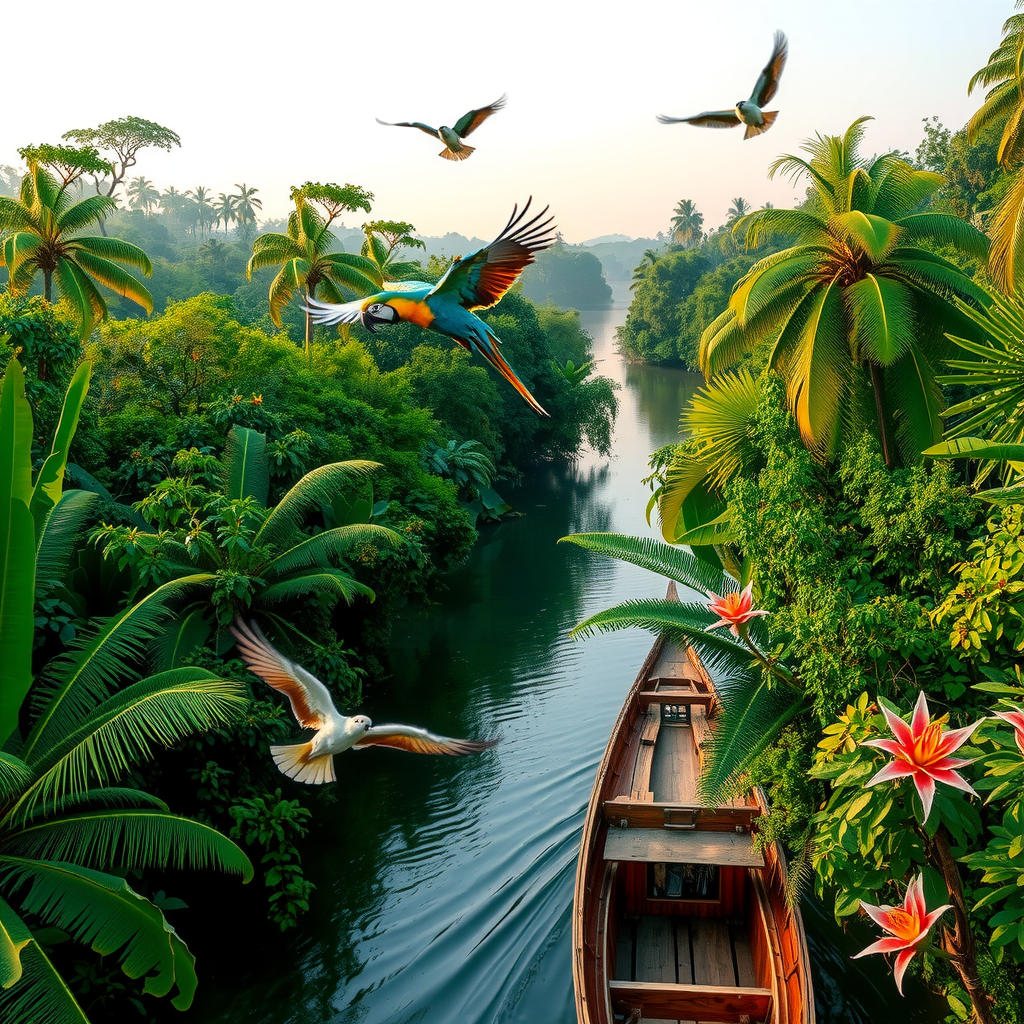
Best Time: June to November (Dry Season)
The Amazon experiences two distinct seasons that dramatically affect your experience. During the dry season, lower water levels make wildlife spotting easier as animals congregate around remaining water sources. Trails become more accessible, and mosquito populations decrease slightly. However, the wet season (December to May) offers its own unique advantages.
Dry Season Benefits
- Better wildlife viewing opportunities
- More accessible hiking trails
- Lower humidity levels
- Easier river navigation
- Clearer skies for photography
Wet Season Advantages
- Flooded forests accessible by canoe
- Lush, vibrant vegetation
- Better bird watching opportunities
- Fewer tourists, lower prices
- Unique aquatic ecosystem exploration
Temperature remains consistent year-round at 25-28°C (77-82°F), with high humidity regardless of season. Pack accordingly with quick-dry clothing, rain gear, and insect repellent no matter when you visit.
Rio de Janeiro, Brazil
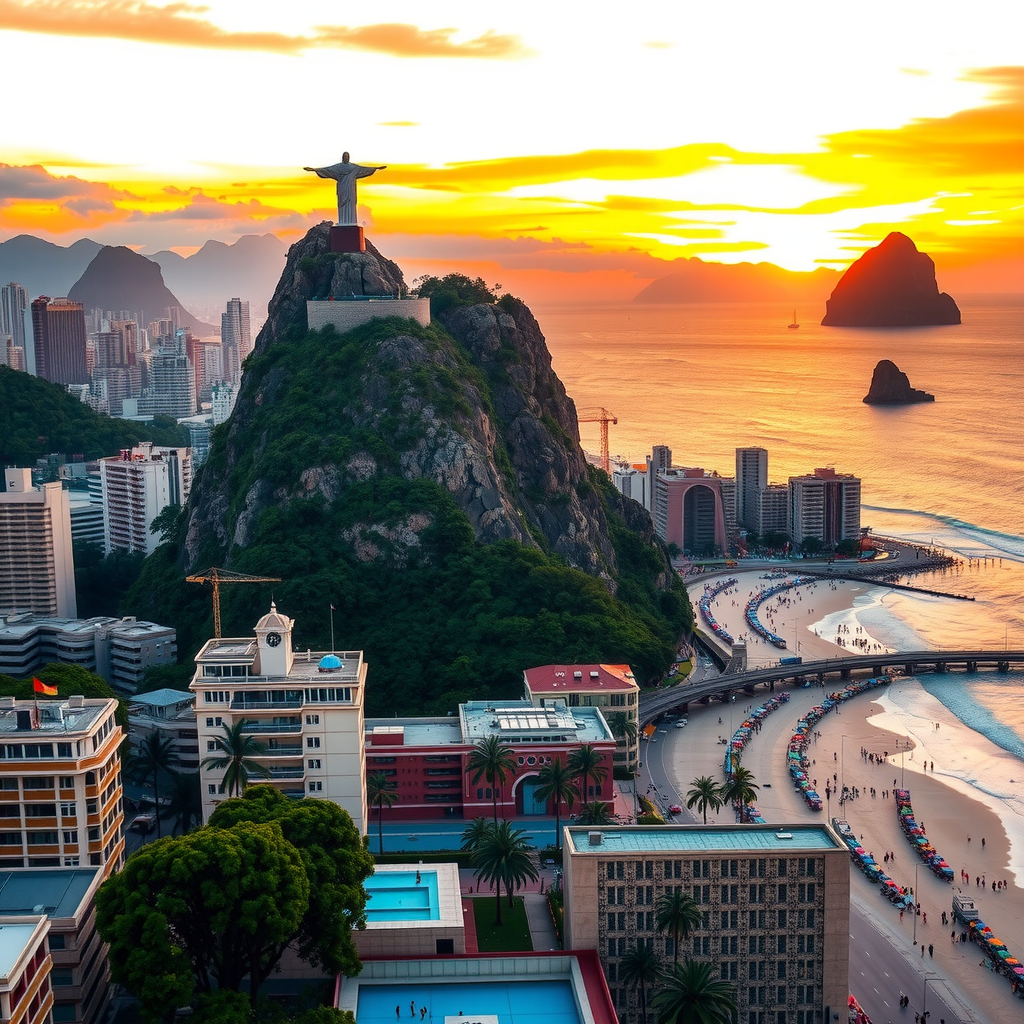
Best Time: December to March (Summer) or September to November (Spring)
Rio's tropical climate makes it a year-round destination, but timing your visit can enhance your experience significantly. Summer months bring hot weather perfect for beach activities, while spring offers pleasant temperatures with fewer crowds.
Seasonal Breakdown
Carnival in February/March, temperatures 25-35°C (77-95°F), crowded beaches, highest prices, vibrant nightlife, occasional rain showers
Mild temperatures 20-26°C (68-79°F), fewer tourists, lower accommodation rates, pleasant beach weather, occasional rain
Coolest period 18-25°C (64-77°F), dry season, clear skies, excellent for sightseeing, comfortable hiking weather, budget-friendly
Warming temperatures 22-28°C (72-82°F), blooming flowers, moderate crowds, good value, ideal beach conditions, increasing rainfall toward November
Galápagos Islands, Ecuador

Best Time: Year-Round (Each Season Offers Unique Wildlife)
The Galápagos Islands are exceptional in that there's no single "best" time to visit. Instead, each season offers distinct wildlife experiences and weather conditions. Your choice should depend on which animals you most want to see and your weather preferences.
Warm Season (December-May)
Temperature: 24-30°C (75-86°F)
Water Temperature: 21-26°C (70-79°F)
Wildlife Highlights:
- Green sea turtle nesting (December-March)
- Marine iguana nesting (January-April)
- Giant tortoise hatching (February-April)
- Waved albatross courtship (April-May)
- Excellent snorkeling conditions
Cool Season (June-November)
Temperature: 18-24°C (64-75°F)
Water Temperature: 18-23°C (64-73°F)
Wildlife Highlights:
- Humpback whale migration (June-September)
- Blue-footed booby mating displays (June-August)
- Sea lion pupping season (August-November)
- Penguin activity peaks (cooler water)
- Best diving visibility
Important Booking Information
The Galápagos Islands have strict visitor limits to protect the ecosystem. Book cruises and accommodations at least 6-9 months in advance, especially for travel during peak months (July-August and December-January). Last-minute deals are rare and risky for this bucket-list destination.
Planning Your South American Adventure
When planning your South American journey, consider combining destinations with complementary seasons. For example, visit Machu Picchu during Peru's dry season (June-August), then head south to Patagonia during their summer (December-March). This approach maximizes favorable weather conditions across multiple destinations.
Ready to Start Planning Your South American Adventure?
Our travel experts can help you create the perfect itinerary based on your interests, budget, and preferred travel dates. Get personalized recommendations for the best times to visit your dream destinations.
Get Started TodayFinal Travel Tips
- Book Early:Popular destinations like Machu Picchu and the Galápagos require advance reservations, especially during peak seasons
- Consider Shoulder Seasons:April-May and September-October often offer the best balance of good weather and fewer crowds
- Pack Layers:South America's diverse climates mean you might experience multiple seasons in one trip
- Check Festival Dates:Events like Carnival in Rio or Inti Raymi in Cusco can enhance or complicate your visit depending on your preferences
- Stay Flexible:Weather patterns are becoming less predictable due to climate change, so build flexibility into your itinerary
South America's incredible diversity means there's always somewhere perfect to visit, regardless of when you travel. By understanding the seasonal patterns of each destination, you can craft an unforgettable journey that showcases the continent's natural wonders, rich cultures, and breathtaking landscapes at their very best. Whether you're drawn to ancient ruins, pristine wilderness, vibrant cities, or unique wildlife, timing your visit correctly will ensure you experience South America at its most spectacular.